
Sacred numbers, revered and cherished in various cultures and belief systems, hold profound symbolic meanings that transcend mere mathematical value. Found woven into the tapestry of ancient civilizations, religious texts, and esoteric practices, these numbers are believed to possess divine qualities and offer insights into the fabric of the universe.
In this article, we embark on a journey to unravel the mysteries behind sacred numbers, exploring their historical significance, metaphysical interpretations, and their relevance in contemporary spiritual practices.
Browse our Affiliate Products

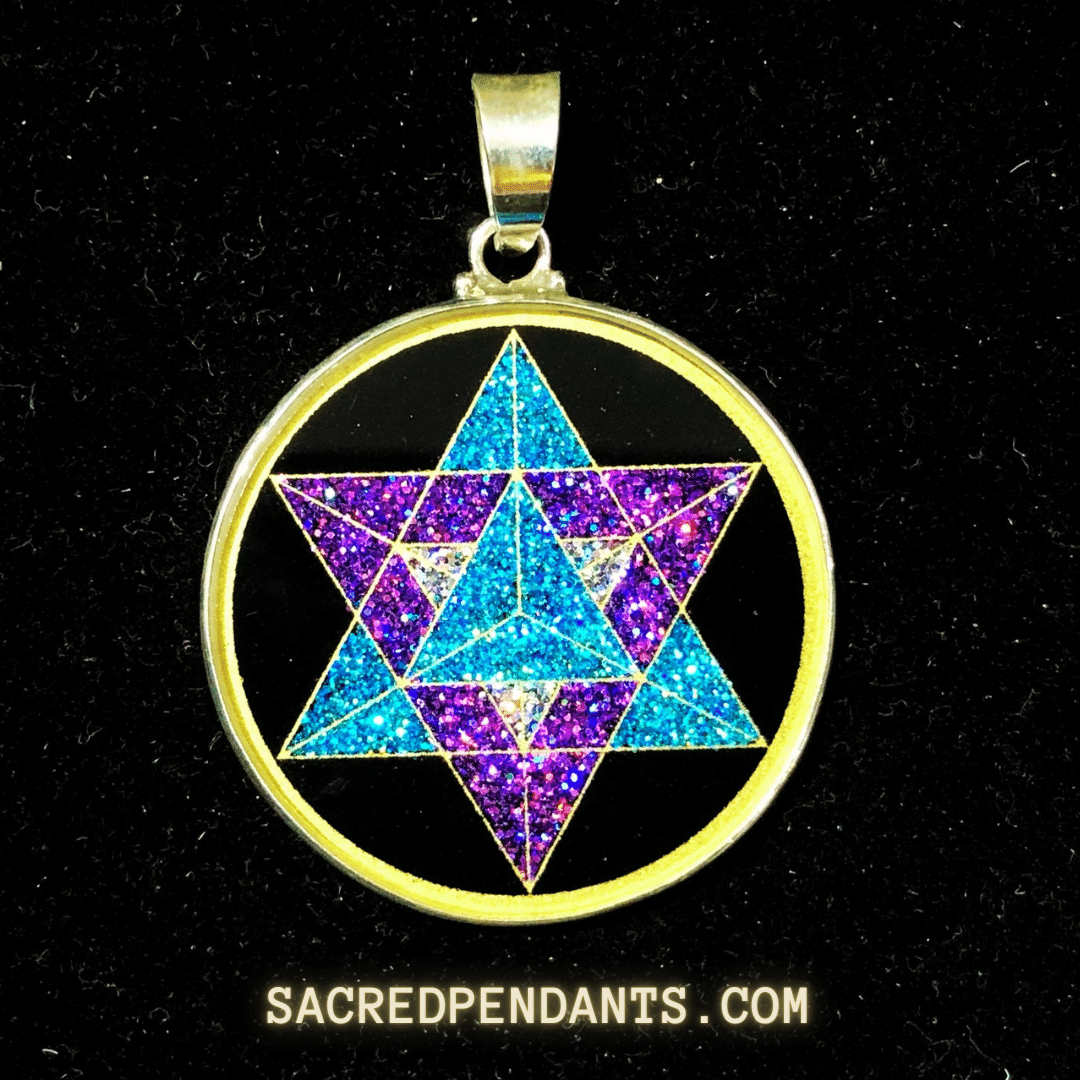


What is a Sacred Number?
A sacred number is a numerical value that holds special significance and symbolic meaning in various cultures, belief systems, and spiritual traditions. These numbers are often considered divine or endowed with spiritual qualities. Sacred numbers are believed to possess inherent vibrations or energies that can influence human experiences and the workings of the universe. They are found in ancient civilizations, religious texts, esoteric practices, and disciplines such as numerology and sacred geometry.
Examples of sacred numbers include the number seven, associated with completeness and perfection, and the number three, representing unity and the divine trinity. Sacred numbers offer a deeper understanding of the underlying order and harmony of existence and are used as tools for personal growth, spiritual exploration, and manifestation.
Below are a few examples of sacred numbers and their associated meanings:
- Number 7: Considered a sacred number in many cultures, the number 7 symbolizes completeness, perfection, and spiritual awakening. It is associated with the seven days of the week, the seven chakras in Eastern traditions, and the seven celestial bodies visible to the naked eye.
- Number 3: The number 3 holds significant symbolism, representing unity, harmony, and balance. It is associated with the Holy Trinity in Christianity (Father, Son, and Holy Spirit) and is believed to signify creativity and manifestation.
- Number 12: Regarded as a sacred number in various traditions, the number 12 signifies completeness and cosmic order. It is associated with the twelve zodiac signs, the twelve months of the year, and the twelve apostles in Christianity.
- Number 8: Considered a symbol of abundance, wealth, and prosperity, the number 8 is often regarded as sacred. It is associated with cycles of growth and regeneration and is believed to bring good fortune and success.
- Number 9: The number 9 carries spiritual significance and is associated with enlightenment, spiritual attainment, and higher consciousness. It represents the completion of a cycle and is often linked to the nine planets in Vedic astrology.
- Number 11: In numerology, the number 11 is considered a master number and holds heightened spiritual energy. It represents intuition, spiritual awakening, and alignment with one’s higher purpose.
These examples illustrate how sacred numbers can hold symbolic meanings that transcend their numerical value, connecting individuals to deeper spiritual truths and universal principles. It’s important to note that interpretations of sacred numbers may vary across different cultures and belief systems.
Are Sacred Numbers and Angel Numbers the Same?
While sacred numbers and angel numbers share some similarities, they are not the same. Sacred numbers refer to numbers that hold symbolic and spiritual significance in various cultures and belief systems. These numbers are considered divine or sacred and are often integrated into religious texts, rituals, and metaphysical practices.
On the other hand, angel numbers are specific sequences of numbers that are believed to carry messages and guidance from spiritual realms, particularly from angelic beings. These numbers are often noticed repeatedly by individuals in their daily lives and are seen as a form of divine communication. Angel numbers are interpreted based on individual digits and their combinations, each carrying its symbolic meaning.
While both sacred numbers and angel numbers involve the recognition of numbers with spiritual significance, the key distinction lies in their context and interpretation. Sacred numbers encompass a broader range of numbers that hold symbolic value across cultures and religions. Angel numbers, however, are specific sequences believed to convey personalized messages and guidance from higher realms.
Where do Sacred Numbers Come From?
Sacred numbers have emerged from the depths of human history and spirituality, originating from diverse sources and belief systems. They have been woven into the fabric of ancient cultures, religious traditions, mystical teachings, and metaphysical practices. Sacred numbers find their roots in the understanding that numbers possess inherent symbolism and vibrational qualities that transcend their mathematical value.
Throughout time, individuals have recognized patterns, correlations, and divine connections between numbers and the mysteries of the universe. These numbers have been discovered and assigned sacred meaning through observations of nature, cosmological phenomena, religious texts, and spiritual experiences.
Whether through ancient civilizations, numerology, sacred geometry, or religious scriptures, sacred numbers have emerged as powerful symbols that invite us to explore deeper layers of reality, consciousness, and the interconnectedness of all things.
Sacred Numbers in Ancient Cultures
In the annals of ancient civilizations, sacred numbers played a pivotal role in shaping cultural and religious practices. The Egyptians, with their fascination for order and harmony, held the number seven in high esteem, associating it with the seven celestial bodies and the seven stages of spiritual growth. Meanwhile, the Chinese regarded the number eight as sacred, representing wealth, abundance, and good fortune.
In Mesopotamia, the significance of the number twelve manifested in the twelve zodiac signs and the twelve months of the year, symbolizing cosmic cycles and celestial harmony. These examples demonstrate how sacred numbers were integrated into various aspects of life, serving as guiding principles and celestial markers.
Numerology and Sacred Numbers
Numerology, an ancient divination system that assigns meaning to numbers, provides further insight into the significance of sacred numbers. Rooted in the belief that each number possesses a unique vibration and energy, numerologists interpret these vibrations to decipher hidden truths and insights about individuals and the world around them.
The number one, for instance, symbolizes individuality, leadership, and new beginnings, while number two signifies balance, partnership, and cooperation. In numerology, the master numbers 11 and 22 hold particular significance, representing spiritual awakening and the manifestation of dreams, respectively. By understanding and working with these sacred numbers, individuals can gain deeper self-awareness and tap into their innate potential.
Sacred Geometry and Numerical Patterns
Beyond the realm of numbers alone, sacred geometry reveals the interconnectedness between numbers, shapes, and the underlying order of the universe. One notable example is the Fibonacci sequence, a numerical pattern found in nature, art, and architecture. This sequence, characterized by the sum of the two preceding numbers, reveals the inherent harmony and proportionality found in seashells, flower petals, and even human anatomy.
Similarly, the golden ratio, a mathematical concept approximating 1.618, appears in countless natural and man-made structures, reflecting the aesthetic and harmonic principles revered by ancient cultures. These numerical patterns in sacred geometry remind us of the inherent balance and beauty present in the fabric of existence.
Religious and Symbolic Significance of Sacred Numbers
Sacred numbers also hold great religious and symbolic significance within various faith traditions. In Christianity, the number three represents the Holy Trinity, embodying the divine union of Father, Son, and Holy Spirit. The number seven, regarded as sacred in Judaism, symbolizes completeness and perfection, evoking the seven days of creation. Islam venerates the number 99 as the Asmaul Husna, the 99 names of Allah, representing the divine attributes.
Hinduism acknowledges the number nine as highly auspicious, signifying spiritual attainment and the solar system’s nine planets. Buddhism, too, embraces sacred numbers, such as the eightfold path, offering guidance on the path to enlightenment. These sacred numbers enhance the depth and symbolism within religious texts, rituals, and spiritual practices, inviting devotees to contemplate deeper truths.
Modern Interpretations and New Age Perspectives
In the modern era, sacred numbers continue to captivate spiritual seekers and enthusiasts alike. New Age spirituality and esoteric traditions have integrated ancient wisdom with contemporary practices, introducing fresh perspectives on the significance of numbers. Angel numbers, for instance, are sequences of numbers believed to carry divine messages and guidance from spiritual realms. Observing repeated numbers like 111 or 444 is considered a sign of synchronicity and a call to pay attention to the present moment.
Channeled messages from spiritual teachers and guides often incorporate sacred numbers as symbols and codes, inviting individuals to decipher their meaning within the context of their spiritual journey. Additionally, the Law of Attraction and manifestation practices utilize the vibrational energy of numbers to align intentions and manifest desired outcomes. By understanding and utilizing the power of sacred numbers, individuals can co-create their reality and tap into the limitless possibilities of the universe.
Final Thoughts
Sacred numbers, woven into human history and spirituality fabric, reveal a deeper layer of meaning beyond their numerical value. From the ancient civilizations that revered cosmic cycles to the modern seekers unlocking the secrets of angel numbers, these numerical symbols offer pathways to self-discovery, spiritual growth, and a deeper connection with the universe.
As we embrace the wisdom of sacred numbers, we embark on a journey of unveiling the mysteries of existence and discovering the profound interplay between mathematics, symbolism, and the human experience. By honoring and exploring the significance of sacred numbers, we invite the unfolding of our divine potential and gain insight into the eternal rhythms that govern our lives.